
Trees need removal when they show dead branches, severe leaning, trunk damage, root decay, or missing leaves during growing season. These warning signs appear in many South Salt Lake trees. Damaged trees pose risks to homes, cars, and people during storms or high winds.
Our certified arborists spot these dangers before they cause harm. We check for hidden problems that most homeowners miss during tree inspections.
This guide will show you clear signs your tree needs removal. You’ll learn when to call a professional and how to spot serious tree problems before they become dangerous.
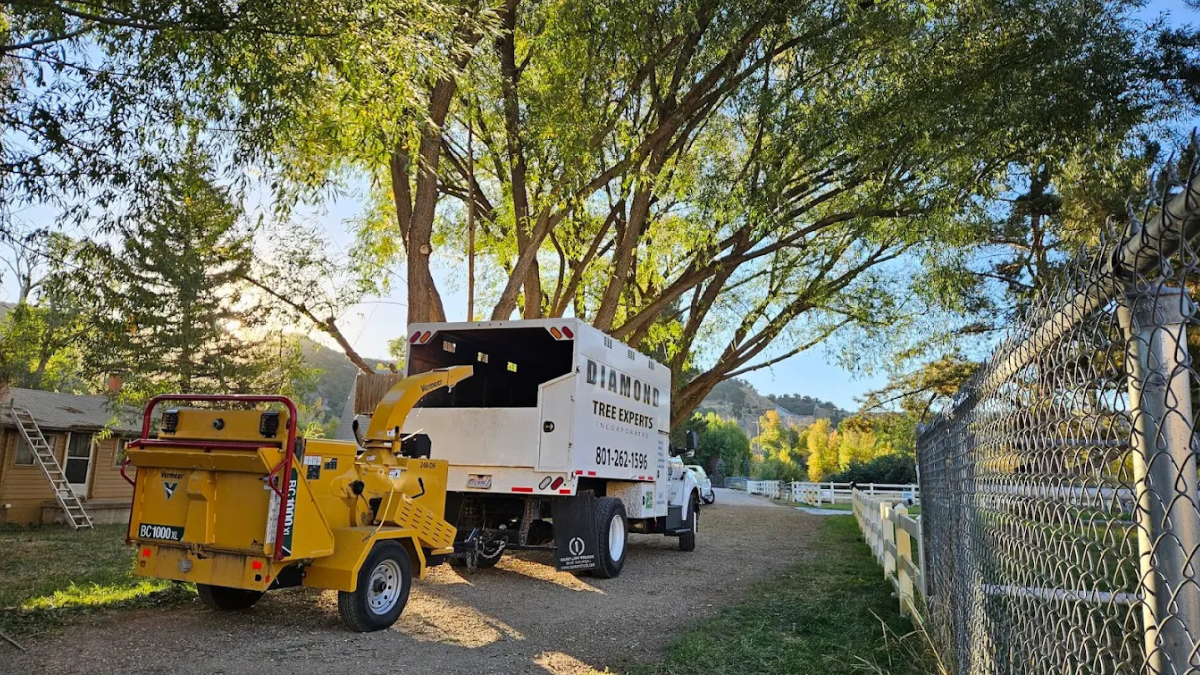
Warning Signs a Tree May Need Removal in Salt Lake City
Trees show clear signals when they become unsafe. Dead branches fall without warning during storms. Leaning trees can topple onto homes or cars.
The trunk tells important stories about tree health. Cracks, hollows, or splits mean the tree has weak spots. These weak areas make the tree unstable during wind or snow.
Root problems often hide underground until serious damage occurs. Look for mushrooms, soil lifting, or exposed roots around the base. These signs point to root decay that weakens the tree’s foundation.
Extensive Dead or Falling Branches That Pose Safety Risks
Dead branches signal serious tree problems. They break easily during storms and can damage property or hurt people below.
Large sections of dead branches throughout the tree mean it struggles to survive. The tree may have internal decay or disease spreading through its system.
Trees naturally shed small twigs, but large dead limbs need professional attention. Our arborists can determine if pruning will help or if removal is necessary.
Leaning Toward Homes, Power Lines, or Streets
A leaning tree creates immediate danger. Trees should grow straight or with natural, gradual curves.
New leans after storms show root damage or trunk weakness. The tree may fall soon without warning.
Trees leaning more than 15 degrees toward structures need urgent evaluation. This tree structural instability requires professional assessment before the next storm hits.
Hollow, Cracked, or Splitting Trunk Weakening the Tree
Tree trunk decay makes trees dangerous. Hollow spots mean the tree lacks internal support.
Large cracks running up the trunk show serious structural problems. These cracked tree trunks can split completely during storms.
Healthy trees have solid, intact bark covering the trunk. Missing bark sections expose the tree to pests and further decay.
Root Problems Such as Decay, Mushrooms, or Soil Heaving
Roots anchor trees and provide nutrients. Damaged tree roots can’t support the tree properly.
Mushrooms growing at the base signal root rot symptoms. The fungi break down wood and weaken the tree.
Soil lifting or cracking around the trunk means roots are failing. These exposed tree roots can no longer hold the tree securely in place.
Lack of Leaves or Buds During the Growing Season
Healthy trees produce full leaf coverage in spring and summer. Dying tree leaf production shows the tree struggles to survive.
Compare your tree to others of the same type nearby. Less foliage than similar trees signals health problems.
Trees use leaves to make food through photosynthesis. Without enough leaves, trees slowly starve and die.
How to Recognize a Dying or Dead Tree in Utah
Dead trees become brittle and dangerous. They can fall without warning during storms or even on calm days.
The tree canopy health tells much about overall condition. Dead trees show no green growth when other trees leaf out.
A tree health assessment by certified arborists confirms whether saving efforts might work. Sometimes trees appear dead but can recover with proper care.
When to Call a Certified Arborist in Salt Lake City
Contact professionals when you see multiple warning signs. Trees with several problems face higher failure risks.
Call immediately for trees threatening homes, power lines, or walkways. These situations need tree emergency removal before damage occurs.
Our arborists provide tree stability evaluation when you’re unsure about tree health. We use specialized tools to check internal decay and root conditions.
The Dangers of Delaying Tree Removal in Utah
Waiting increases risks to your property and family. Unstable trees cause more damage during storms or high winds.
Removal costs rise when trees deteriorate further. Property damage risk from trees grows as their condition worsens.
Trees that fall unexpectedly cause more cleanup expenses and potential injuries. Early removal prevents these costly emergencies.
Conclusion
Recognizing tree removal signs helps prevent accidents and property damage. Dead branches, leaning trunks, and root problems all signal potential dangers.
Diamond Tree Experts provides professional assessment for concerning trees. We identify risks that homeowners might miss during casual inspections.
Contact us today for a free tree evaluation in South Salt Lake. We’ll help determine if your tree needs removal or can be saved with proper care.

