
Removing a 20-foot tree in South Salt Lake City runs $150 to $500. Small trees like this fall on the lower end of tree removal pricing, though dead or diseased trees push the price up due to the extra safety work involved.
This guide breaks down exact costs for 20-foot tree removal in Salt Lake City, plus a few ways to save and when professional removal is worth it.
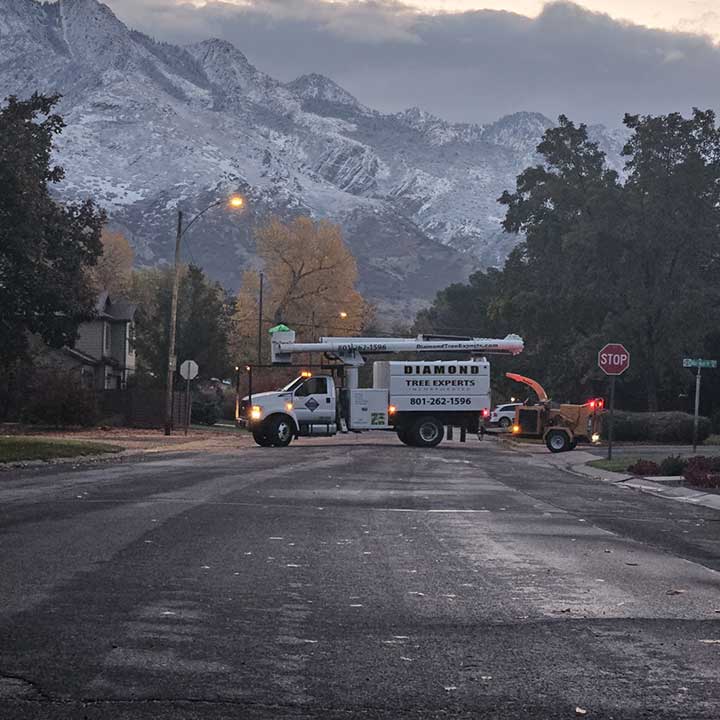
Key Factors That Influence Tree Removal Costs
Accessibility is the biggest cost factor for a tree this size. Easy access for equipment keeps the price down, while obstacles or tight spaces add labor time. Wood type matters too: a hardwood like oak takes longer to cut than a softer species.
Tree Size and Type
A 20-foot tree falls into the small to medium category, and most companies treat anything under 30 feet as small, basic-equipment work. Trunk diameter matters as much as height, since a thick 20-foot tree takes more cuts and creates more debris than a thin one. Evergreens like pine and spruce also tend to cut easier, and cheaper, than deciduous trees like oak or maple.
Location and Accessibility
A tree in an open yard costs less to remove, since equipment can reach it and there is room for it to fall. A tree near a building, fence, or power line costs significantly more. Steep terrain and narrow gates that block equipment access push the price up too, since crews fall back on manual cutting and rope techniques.
Tree Health & Condition
A healthy tree cuts cleanly and falls predictably, which keeps costs down. A dead or diseased tree is riskier, since branches can break unpredictably, so it typically costs more.
Healthy vs. Diseased vs. Dead Trees
A healthy 20-foot tree runs $150 to $350 for basic removal. A diseased tree runs $200 to $450, since weakened wood needs more careful cutting. A dead tree runs $250 to $500, since brittle branches can fall without warning.
Fallen Trees and Storm Damage
A storm-damaged tree already on the ground can actually cost less, since there is no height work involved, though the cleanup still takes time. A partially fallen or hung-up tree costs more than either extreme, since the tension involved makes it genuinely dangerous to cut.
Extra Services That Affect Cost
A basic quote covers cutting and hauling the major debris. Small branches and leaves often get left behind unless you ask for full cleanup.
Stump Grinding
Stump grinding adds $75 to $200, depending on the stump’s width and how far the roots extend. Grinding leaves usable wood chips behind. Full stump removal costs more but clears the area completely.
Branch Chipping
Chipping the branches costs $100 to $200 extra, and you can usually keep the chips for landscaping. Skipping chipping saves money upfront, but then disposal becomes your responsibility.
Debris Hauling
Full debris removal adds $100 to $300. Partial cleanup leaves the smaller material for you to handle, which saves money if your time allows for it.
Permit Requirements in Salt Lake City
Most residential tree removals do not need a permit. Trees in the public right-of-way are different, since they belong to the city, and removing one without authorization can mean fines and replacement costs. Heritage trees over a certain size also need a special permit, so it is worth checking local regulations before scheduling.
Cost Differences in Salt Lake City
Pricing stays competitive across the Salt Lake City area, though storm season and urban density both push prices around. Tight neighborhoods often mean smaller equipment and more manual work, while open, rural properties allow bigger machinery and faster jobs.
Tree Removal Costs in Salt Lake City
A standard 20-foot tree removal runs $150 to $500, with easy-access yards landing on the lower end. Emergency removal adds 25 to 50 percent on top of that, since after-hours and storm-response work carries a premium. Average pricing for typical conditions lands around $300.
DIY vs. Professional Tree Removal
Professional removal comes with liability coverage and workers’ compensation, which protects you if something goes wrong. DIY looks cheaper at first glance, but equipment rental and disposal costs add up fast, and most homeowners underestimate the real total.
Cost of DIY Tree Removal
Equipment rental alone runs $200 to $400 for chainsaws, ladders, and safety gear. Chainsaw rental costs $50 to $75 per day on top of fuel and sharpening, and a job can easily stretch across multiple days. Dump fees add another $50 to $150, and tree debris fills a truck fast enough to require multiple trips.
Safety and Liability Risks of DIY
Falls and falling branches cause real injuries every year, and most homeowner insurance policies exclude damage from DIY tree work. Anything near a power line is especially dangerous and should go straight to a professional or the utility company.
Why Hiring a Certified Arborist May Be Worth It
A certified arborist understands how a tree behaves under a cut, which prevents the kind of mistakes that cause property damage or injury. Professional equipment also gets the job done faster, which often offsets the higher labor rate, and the insurance coverage protects everyone involved.
How to Get a Reliable Estimate
Get quotes from a few companies and compare what each one actually includes, not just the bottom-line number. Ask for a written estimate rather than a verbal one, since it protects both sides from misunderstandings later.
Getting Multiple Quotes
Three quotes from licensed companies is a good baseline. Ask for an itemized breakdown so you can see exactly what you are paying for, and skip any service you do not actually need.
Importance of On-Site Assessment
Photos and phone descriptions miss details that matter. An on-site visit lets an arborist catch hidden defects and access challenges before quoting a price, which prevents surprises once the work starts.
How to Save Money on Tree Removal
Late winter and early spring bring the lowest demand and the best pricing, since emergency calls drop off during that window. Keeping branches under 4 inches for your own disposal, and bundling multiple trees into one project, both cut the total cost. Hardwood also has firewood value, which can reduce or eliminate disposal fees entirely.
Related Services That Affect Tree Removal Costs
Tree removal often opens up other landscaping needs. Planting in the same spot usually calls for root grinding and soil work, and removal sometimes reveals other issues worth addressing at the same time. Handling everything together tends to save money over separate visits.
Conclusion
Removing a 20-foot tree in Salt Lake City runs $150 to $500, depending on location, condition, and any extra services you add. DIY might look cheaper on paper, but the equipment, disposal, and liability risks usually close that gap fast.
Diamond Tree Experts provides transparent pricing and expert service throughout Salt Lake City. We are the trusted tree removal contractor with certified arborists who handle removals safely and efficiently. Contact us today for a detailed quote on your 20-foot tree removal project.

