
Introduction
Your tree shows unhealthy signs through leaf discoloration, wilting leaves, dead branches, peeling bark, fungal growth, and root problems. Many South Salt Lake homeowners miss these warning signals until trees become dangerous. Catching tree problems early saves money and keeps your family safe.
Trees in South Salt Lake face tough conditions. Drought, pests, and temperature swings stress them constantly. Your trees need your attention to stay strong and healthy.
This guide shows you exactly what unhealthy trees look like. You’ll learn simple ways to check your trees yourself. Keep reading to protect your yard and your home.
Foliage Issues in Salt Lake City, UT Trees
Leaf discoloration, wilting leaves, and premature leaf drop signal serious tree stress. Customers struggle with spotting these problems early. The system works by checking leaves regularly throughout the season.
Discolored leaves often turn yellow, brown, or purple when trees suffer. This problem happens when trees lack nutrients or fight disease. Wilting or drooping leaves mean your tree needs water or has root damage. Premature leaf drop outside autumn suggests root stress or pest infestation. A thinning canopy and sparse foliage show declining health. Foliage spots and blotches or bands on leaves reveal fungal disease or insect damage.
You can solve this by watering deeply and checking soil moisture regularly.
Branch and Limb Concerns in Salt Lake City, UT Trees
Dead branches, sudden branch drop, and weak branch unions indicate tree distress. This problem happens when internal decay weakens limbs. Dead wood and bare branches in growing season appear when trees lose vigor.
Sudden branch drop syndrome occurs without warning on calm days. Weak branch unions create dangerous breakage risks. New growth at the base signals canopy decline and stress response.
Inspect branches monthly for brittleness and damage.
Trunk and Bark Problems in Salt Lake City, UT Trees
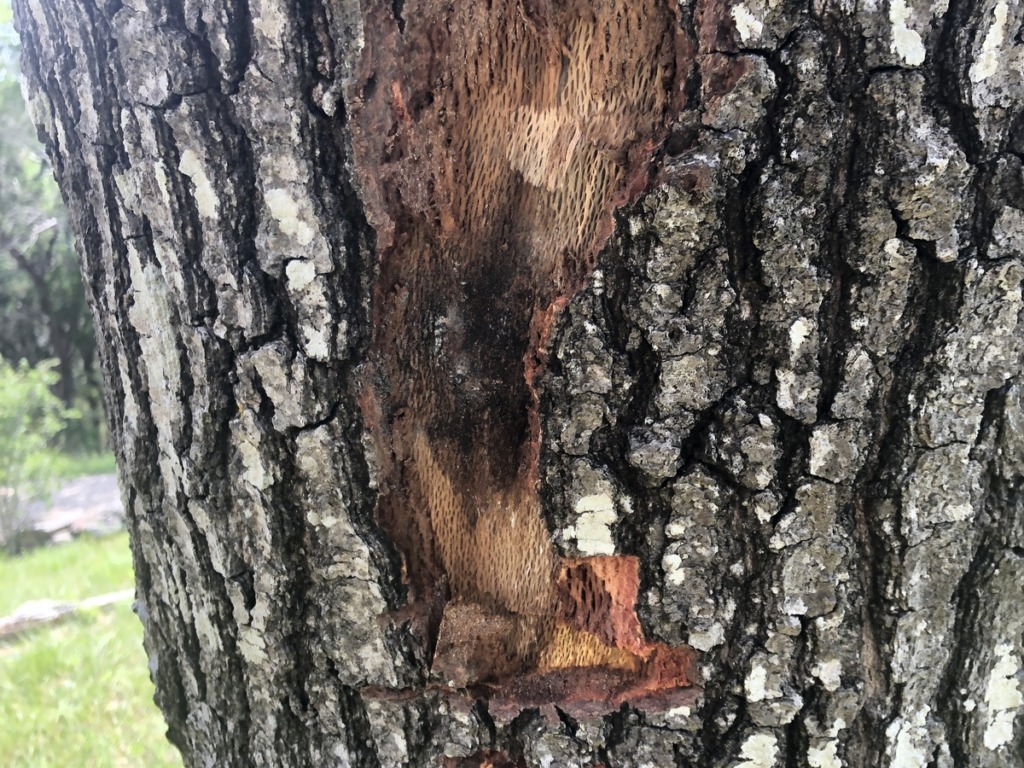
Cracking bark, peeling bark, fungal growth, and oozing sap mean trouble. These symptoms reveal disease, pests, or extreme weather damage. Fungus growth on trunk or roots shows internal decay spreading. Open wounds or cankers allow pests and disease entry. Oozing sap or sawdust points to boring insect infestation. Holes or cavities in trunk confirm wood-boring insects are active.
Tap the trunk—hollow sounds suggest internal rot. Watch for mushrooms at base, a clear decay sign.
Root and Structural Indicators of Unhealthy Trees
Leaning trees, exposed roots, and soft wood signal root failure. A tree leaning unexpectedly often means root damage or soil instability. Exposed or girdling roots restrict nutrient flow and damage trunks. Soft or spongy wood indicates internal rot and structural weakness.
Assess the tree’s lean carefully. Sudden leaning creates safety hazards.
What to Do if You See These Tree Health Signs
Contact a certified arborist immediately when multiple symptoms appear. Professional inspection determines whether to treat, reinforce, or remove safely. Certified arborists diagnose problems accurately and recommend solutions. They assess stunted growth, general decline in growth, and persistent unhealthy appearance professionally.
Don’t wait. Early action prevents tree failure and property damage.
Why Tree Health Monitoring Matters
Healthy trees improve air quality and community well-being significantly. Mature urban trees remove carbon dioxide and pollutants annually. South Salt Lake’s canopy covers only 15% of city land. Roughly 56% of local trees are young and developing. Since 1999, approximately 1.7 million Utah trees were lost to bark beetles.
Regular monitoring protects your investment and neighborhood safety.
DIY Tree Health Checklist for Salt Lake City, UT Residents
Inspect your trees monthly using this simple checklist. Start at the base and work upward systematically.
Inspect the base and root flare. Look for root damage signs, girdling roots, or exposure.
Scan the trunk and bark. Check for cracks or splits in trunk, peeling or flaking bark, cankers or swelling, and bleeding or oozing from trunk.
Evaluate the branches and canopy. Look for dead wood, broken branches, and weak branch unions.
Check leaf color, shape, and growth. Watch for leaf discoloration, wilted or drooping leaves, change in leaf shape, and malformations of leaves or stems.
Review soil conditions around the tree. Test moisture levels and check for compaction.
Identify environmental and site stressors. Note recent construction, weather changes, or animal or insect infestation.
Conclusion
Unhealthy trees show clear warning signs through leaves, branches, bark, and roots. South Salt Lake residents can spot these problems using simple monthly checks. Leaf discoloration, premature leaf drop, dead branches, and fungal growth demand immediate attention.
Professional help matters when multiple symptoms appear together. Certified arborists provide accurate diagnosis and safe solutions. Early intervention saves trees and protects your property.
We are your trusted tree removal company in South Salt Lake. Diamond Tree Experts specializes in tree health assessment and professional care. Contact us today for a free tree inspection and expert guidance.

