
Call emergency tree service immediately when a tree or large branches have fallen on structures, are blocking critical access, or pose imminent danger to people or property. That’s the short answer. Trees leaning suddenly after storms, major branches hanging over houses or cars, trees on power lines, or anything blocking your driveway after a windstorm – these all require same-day response.
Diamond Tree Experts provides 24/7 emergency tree service across the Wasatch Front because these situations can’t wait for regular business hours. Trees don’t fall on convenient schedules. After nearly six decades handling tree emergencies throughout Salt Lake County and surrounding areas, we know which situations need immediate attention and which can wait until morning.
True Emergencies That Need Immediate Response
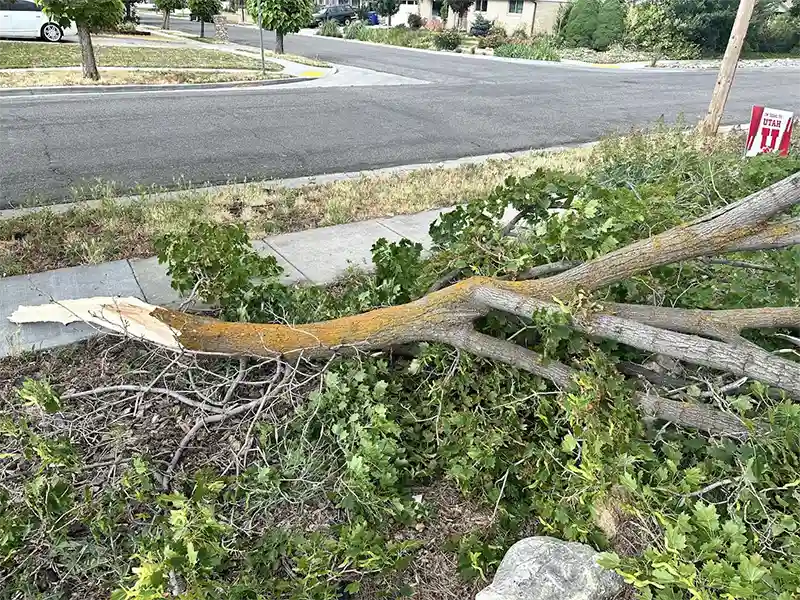
Some situations require calling an emergency tree service right now, not tomorrow morning. Trees or large branches resting on your house create immediate structural risk. Even if nothing looks damaged from the outside, the weight is stressing your roof structure. Winter snow loads combined with a fallen tree can cause roof collapse.
Trees on power lines are extremely dangerous. Don’t approach them. Call your utility company first, then call emergency tree service. The power might look off but lines can still be live. We’ve responded to dozens of these situations across Sandy, Draper, and Riverton – the risk isn’t worth waiting.
Blocking access matters more than people think. A tree across your driveway might seem like an inconvenience, not an emergency. But what if someone needs to leave for a medical emergency? What if emergency vehicles need access to your property? Trees blocking roads create hazards for entire neighborhoods.
Trees that are actively splitting or cracking need immediate assessment. You’ll hear creaking, see the crack widening, maybe notice the tree shifting position. This is failure in progress. The tree will come down – the only question is when and where. Get professionals there before gravity makes that decision.
Major storm damage requires quick response even if nothing has fallen yet. A tree leaning 30 degrees more than it did yesterday has compromised roots. Large branches hanging by splinters will fall – it’s just a matter of time. These situations deteriorate rapidly, especially if more wind or precipitation is forecast.
Situations That Can Wait Until Business Hours
Not every tree problem is an emergency. Small branches down in the yard after a storm can wait. Annoying, sure. But not dangerous. Clean them up yourself or schedule regular tree service during normal hours.
Trees that have been dead for months don’t suddenly become emergencies unless something changes. That dead tree you’ve been meaning to remove? Still needs removal, but it can wait for a scheduled appointment. Dead trees typically fail during storms, so if it survived the last windstorm intact, you probably have time to get quotes and schedule properly.
Minor damage to trees – small broken branches still attached, superficial bark damage, trees that look unhealthy – these warrant professional assessment but not emergency response. Call during business hours for an evaluation. We can determine if the tree is actually dangerous or just needs maintenance.
The exception: if bad weather is forecast and the tree already has damage or structural issues, don’t wait. A tree that’s been leaning for months becomes an emergency when 60 mph winds are predicted tonight.
Utah Weather and When It Creates Emergencies
Utah weather creates specific emergency patterns. Our intense summer storms hit fast with straight-line winds that snap mature trees. These storms typically hit between June and September, often in late afternoon or evening. Trees that looked fine at lunch are down by dinner.
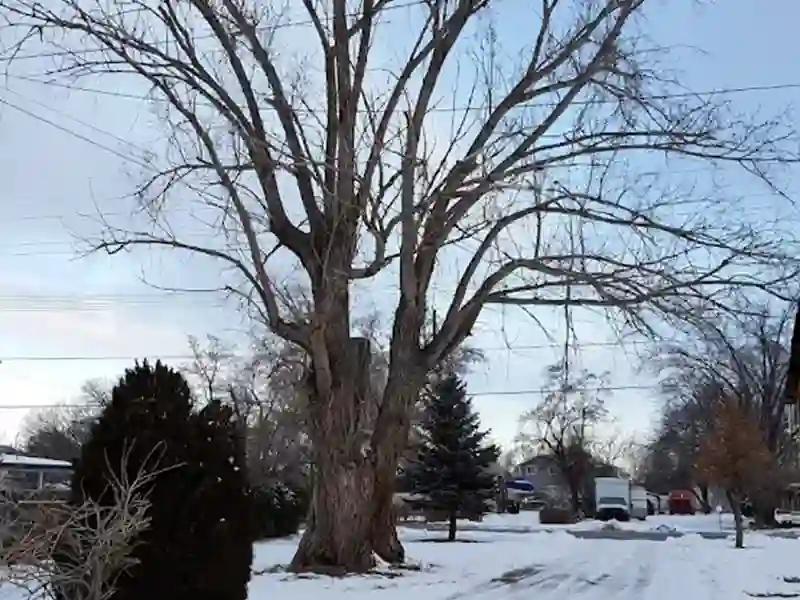
Winter snow loading causes failures differently. Heavy wet snow accumulates slowly. The tree bends gradually under increasing weight until something gives. This usually happens as temperatures warm and snow gets heavier. We see these failures most often from December through March.
Spring wind events combine with saturated soil from snowmelt. Tree roots can’t grip properly in mud. Add 50 mph winds and trees uproot that would normally stay standing. April and May produce these conditions regularly along the Wasatch Front.
Temperature extremes matter too. Rapid freeze-thaw cycles cause branches to fail. Wood expands and contracts with temperature. Weak or damaged branches crack under this stress. Single-digit temperatures followed by 40-degree days create these failures.
What Qualifies as Imminent Danger
Imminent means likely to happen very soon. A tree hanging over your roof by 10 feet with healthy attachment points isn’t imminent danger. A tree with cracked trunk leaning toward your house is imminent danger.
Location matters. A fallen tree in your back yard far from any structures can wait. Same tree leaning against your garage needs immediate response. Trees near high-traffic areas – driveways, sidewalks, play areas – present higher risk than trees in remote corners of large properties.
Size factors into danger assessment. A 3-inch diameter branch hanging over your patio isn’t an emergency. A 15-inch diameter limb hanging by splinters over your bedroom needs immediate attention. The potential energy in a large falling branch causes serious damage.
Proximity to people determines urgency. Trees threatening occupied structures get priority over trees near storage sheds. Trees overhanging areas where children play or where people park cars require faster response than trees in unused areas.
What to Do While Waiting for Emergency Service
Stay away from the damaged tree. Seems obvious but people constantly misjudge risk. That branch looks stable until it isn’t. Homeowners get hurt trying to “help” or trying to move debris before professionals arrive.
Keep others away too. Rope off the area if possible. Tell family members, warn neighbors, keep pets inside. Trees under stress can fail suddenly. Additional wind, shifting weight, or continued cracking can cause collapse without warning.
Document damage with photos before professionals arrive. Insurance claims go smoother with clear documentation. Photograph the tree, any property damage, the overall scene. Take photos from multiple angles showing the full situation.
Don’t attempt removal yourself. Emergency tree work is dangerous even for professionals with proper equipment. Homeowners with chainsaws and pickup trucks get injured or killed every year trying to handle emergency tree situations. The money you save isn’t worth the risk.
If the tree involves power lines, maintain at least 30 feet distance. Call your utility company immediately. Don’t assume power is off just because lights are out. Downed lines can electrify the ground around them. Wait for utility company clearance before anyone approaches.
Understanding Emergency Service Costs
Emergency tree service costs more than scheduled work. That’s reality across the industry. Crews responding nights, weekends, or holidays get paid premium rates. Equipment must be mobilized immediately rather than scheduled efficiently.
Expect emergency rates to run 50% to 100% higher than normal pricing. A tree removal that would cost $1,500 scheduled might cost $2,500 to $3,000 as an emergency. The premium pays for immediate availability and response priority.
Some situations justify the premium cost. Trees on houses, blocking critical access, or creating immediate safety hazards can’t wait. Other situations labeled “emergencies” by homeowners could reasonably wait until business hours at standard rates.
Insurance coverage varies significantly. Most policies cover tree damage to structures when the tree was healthy and failure resulted from weather events. Trees that were obviously dying or hazardous before failure often aren’t covered. Document pre-existing conditions and get professional assessments in writing.
Diamond Tree Experts provides honest assessment about what truly requires emergency response. We won’t charge emergency rates for situations that can safely wait. But when we recommend immediate service, it’s because delay creates real risk.
Common Mistakes Homeowners Make
Waiting too long tops the list. Homeowners see a dangerous tree, think about calling, decide to wait until Monday, then the tree fails Saturday night. Prevention costs less than emergency response. Address obvious hazards before they become emergencies.
Underestimating damage happens constantly. Small visible damage often indicates larger hidden problems. A cracked trunk might look minor but signals major structural failure. Surface bark damage might conceal extensive internal decay. Professional assessment identifies problems homeowners miss.
DIY attempts cause injuries and make situations worse. Homeowners try cutting hanging branches and get pinned when the branch falls. They try removing leaning trees and the tree falls the wrong direction. Emergency tree work requires expertise and equipment most homeowners don’t have.
Ignoring weather forecasts creates preventable emergencies. That questionable tree survived today’s storm but 70 mph winds are forecast tomorrow? Call now for assessment and possible preventive removal. Proactive removal costs less than emergency removal and prevents property damage.
How Diamond Tree Experts Handles Emergency Calls
When you call our emergency line, you reach someone immediately – not voicemail. We assess the situation over the phone to determine urgency and required resources. True emergencies get immediate dispatch. Situations that can wait safely get scheduled for first available morning slot.
Our crews carry specialized equipment for emergency work. Sometimes that means cranes for complex removals near structures. Other times it means climbing gear for trees too damaged for bucket truck access. We match equipment and crew size to the specific emergency.
Safety comes before speed, but we move quickly. Rushing emergency tree work causes accidents. Our crews are trained to work efficiently under pressure while maintaining safety protocols. Fifty-seven years of experience handling Utah tree emergencies means we’ve seen most situations before.
We provide honest cost estimates before starting work. Emergency tree service is expensive but you deserve to know costs upfront. We explain what needs to happen, why it needs to happen now, and what it will cost. No surprises when the bill comes.
When to Call Emergency Tree Service – Diamond Tree Experts Can Help
Knowing when to call emergency tree service protects your property and keeps people safe. Trees on structures, blocking critical access, involving power lines, or showing active failure need immediate professional response. Situations creating imminent danger to people or property can’t wait for regular business hours.
Less urgent situations – minor storm damage, long-term dead trees, trees needing assessment but not creating immediate hazards – can wait for scheduled service during normal hours at standard rates.
Diamond Tree Experts provides 24/7 emergency tree service throughout the Wasatch Front because real emergencies don’t follow business schedules. Our experienced crews respond quickly to genuine emergencies while providing honest guidance about what actually requires immediate attention.
Don’t wait until a dangerous tree situation becomes a disaster. Contact Diamond Tree Experts for emergency tree service when you need immediate help, or schedule an assessment during business hours for trees that concern you but don’t require emergency response. We’re here to help either way.

