
Understanding Dutch Elm Disease
Dutch Elm Disease kills elm trees through a fungal vascular wilt spread by beetles. This disease destroys trees in South Salt Lake and across Utah. Your elm trees face real danger from the Ophiostoma novo-ulmi fungus and elm bark beetles.
We understand how scary this feels. Losing a mature elm tree hurts your property value and your neighborhood’s beauty. Our certified arborists help South Salt Lake homeowners protect their trees before it’s too late.
This guide teaches you everything. You’ll learn to spot early summer symptoms, treat infected trees, and prevent future disease. Keep reading to save your elms.
Identifying Dutch Elm Disease
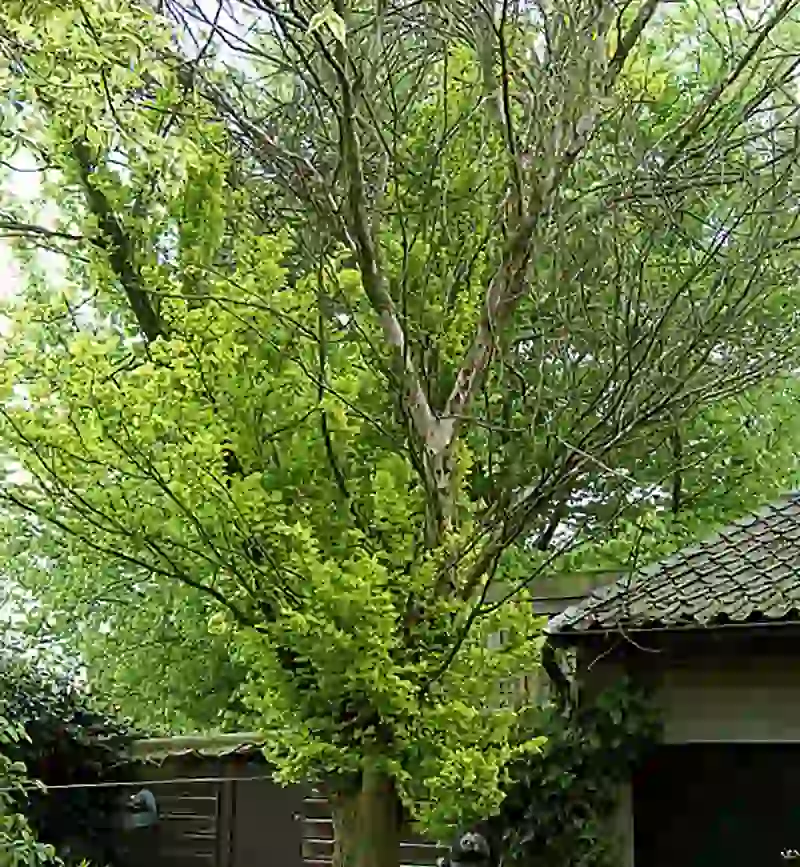
Spotting Dutch Elm Disease early saves your trees. The Ophiostoma novo-ulmi fungus causes leaf wilting and yellowing on single branches first. This branch flagging looks like sudden death on one side of the tree.
Leaves curl and scorch, turning brown while staying attached to twigs. The vascular system blockage inside stops water from reaching the leaves. You’ll notice premature leaf drop in summer when trees should look full.
Look for shepherd’s crook shoots bending downward. These twisted branches show where the fungus spread recently. Inside the bark, brown streaks in sapwood reveal the fungus invasion. Cut a small twig and check for diagnostic bark staining patterns.
Elm bark beetles carry the disease between trees. The Scolytus multistriatus beetle, Scolytus schevyrewi beetle, and Hylurgopinus rufipes beetle all spread infection through their feeding. You might see small holes or sawdust on the trunk.
Treating and Managing Dutch Elm Disease
Early treatment stops dutch elm disease progression in healthy or early-stage trees. Fungicide injections protect your elms when applied by certified professionals. These injections work best before progressive tree decline becomes severe.
Remove infected branch dieback at least six feet below visible damage. This stops the fungus spread by beetle feeding in that limb. Disinfect pruning tools with bleach after every cut to prevent spreading spores.
Proper sanitation and debris cleanup matters greatly. Destroy infected wood through burning or burying. Never store wood with bark on, as beetles hide there. Sever root graft connections between nearby elms to stop underground transmission.
Tree removal for severe infection becomes necessary when disease covers most branches. A heavily infected tree becomes a beetle reservoir spreading disease to healthy neighbors. Our arborists assess each tree honestly.
Preventing Dutch Elm Disease
Avoid pruning during beetle season from late spring through early fall. Pruning wounds attract beetles seeking entry points. Wait until winter when beetles rest.
Boosting overall tree health strengthens natural defenses. Water deeply during dry periods. Add mulch around the base. Fertilize according to soil tests. Healthy trees resist infection better.
Plant disease-resistant elm cultivars for new trees. Resistant varieties survive even if exposed to the fungus. This protects your long-term landscape.
Local Conditions in South Salt Lake
Salt Lake’s dry climate affects disease speed. Utah’s elm varieties most at risk locally include American elms and Siberian elms. These species face high vulnerability here.
City and state programs help residents. Contact the Utah State University Extension office for sample lab diagnosis and laboratory confirmation tests. Local forestry offices track disease spread.
Professional Help and Resources
Certified arborists in South Salt Lake provide expert disease management strategies. We perform seasonal inspection and preventive monitoring on your trees.
Contact local extension offices for early detection importance training. Report infected trees to city forestry departments immediately.
Homeowner Action Plan
Monitor elm trees for symptoms every two weeks during summer. Watch for leaf wilting and yellowing on branches. Act quickly when you spot problems.
When and how to act quickly means calling professionals immediately. Early intervention saves trees. Delaying treatment allows disease spread.
Conclusion
Dutch Elm Disease threatens South Salt Lake’s elm trees through fungal infection and beetle transmission. Understanding symptom progression and integrated pest management helps you protect your property. Early detection makes treatment successful and affordable.
We are your trusted tree removal company and certified arborist team. Diamond Tree Experts provides honest assessments and effective solutions. We handle disease containment measures professionally and safely.
Contact Diamond Tree Experts today for a free inspection. We’ll check your elms and create a protection plan. Don’t wait until disease spreads. Call us now to save your trees.
Image source: Wikidpedia

