
When a neighbor’s tree damages your property in South Salt Lake, responsibility depends on tree health and owner negligence. Healthy trees that fall during storms are typically covered by your own insurance. Dead or diseased trees that cause damage may be your neighbor’s responsibility if they knew about the hazard.
Tree damage creates stressful situations between neighbors. Our certified arborists have helped hundreds of South Salt Lake homeowners navigate these complex situations with professional assessments and documentation.
This guide explains exactly who pays for tree damage, what your insurance covers, and the steps to take after an incident occurs on your property.
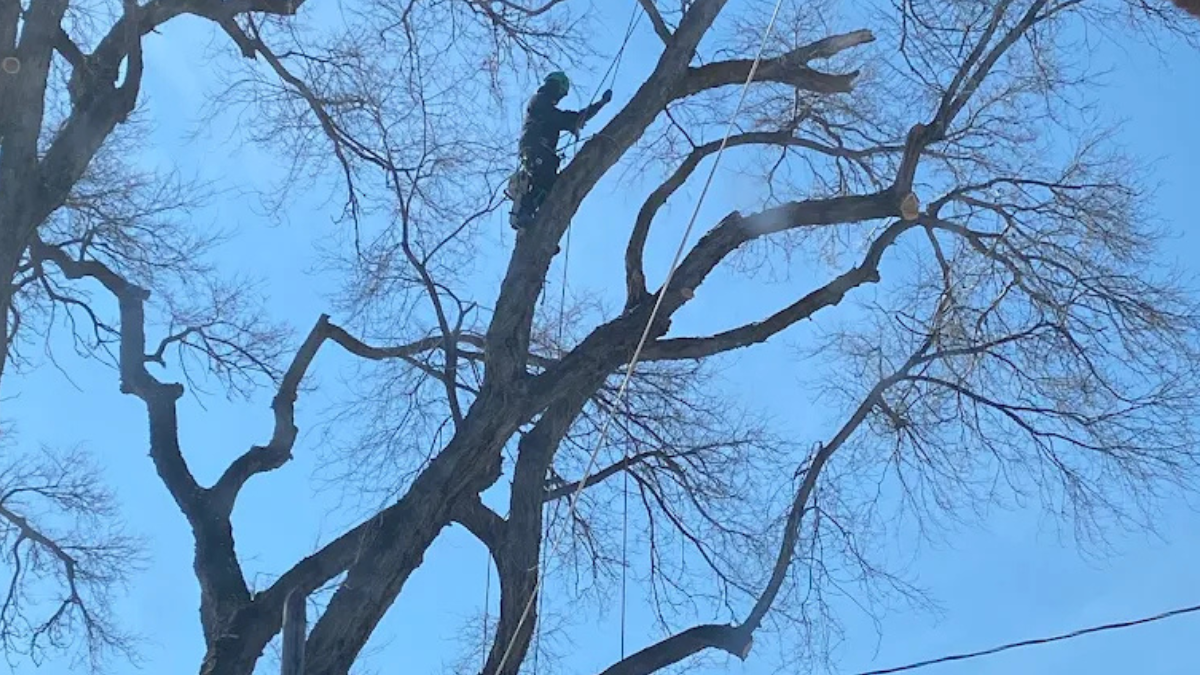
Tree Damage Liability in Salt Lake City: When You’re Responsible
You are responsible for tree damage on your property in most cases. This includes damage from healthy trees that fall during storms or extreme weather events.
Your homeowners insurance typically covers this damage. Most policies include coverage for structures, personal property, and cleanup costs after tree damage occurs.
Natural Events and “Acts of God” in Utah Law
Acts of God in insurance refer to natural events beyond human control such as storms, earthquakes, or floods. These events happen without warning and cannot be prevented. Utah law recognizes severe weather as an act of God.
Insurance companies classify most storm-related tree falls this way. Your policy should cover damage from healthy trees during storms. The deductible applies before coverage begins.
Why Homeowners Are Typically Liable for Their Own Property Damage
Property owners must maintain their own land. This includes handling fallen trees from neighboring properties in most cases.
Your insurance exists to protect your property. The policy covers sudden, unexpected events regardless of where the tree originated. This system prevents neighbor disputes in most cases.
When a Neighbor Is Legally Responsible for Tree Damage
Your neighbor becomes responsible when their negligence caused the tree damage. This happens when they knew about a dangerous tree but failed to address it.
Proving negligence requires evidence. You must show they knew about the hazard and ignored it. Photos, previous communications, and expert assessments help establish this.
Identifying a Known Hazard or Dangerous Tree
Unhealthy tree legal liability begins with visible signs of danger. Dead branches, leaning trunks, and fungal growth indicate problems. Cracked bark and exposed roots also signal potential hazards.
These warning signs create responsibility. Tree owners should notice these issues. Regular inspections help prevent damage and liability.
Proving Prior Complaints or Written Warnings
Documentation strengthens your case against a negligent neighbor. Save all communications about tree concerns. This includes emails, texts, and certified letters.
A neighbor who previously warned you about a hazardous tree can strengthen a negligence claim if the tree later causes damage. These warnings establish knowledge of the problem.
Failure to Trim or Remove a Risky Tree
Tree maintenance obligations include removing hazardous trees. Ignoring dangerous conditions creates liability. Reasonable tree owners address problems promptly.
Courts consider what a responsible person would do. Failing to maintain trees properly often leads to liability. This includes regular trimming and removal when necessary.
Determining Responsibility: You or Your Neighbor?
First, identify whose property contains the tree trunk. Boundary trees with trunks on property lines create shared responsibility.
Check the tree’s condition before the incident. Healthy trees that fall during storms typically remain the property owner’s responsibility. Diseased trees may shift liability to the tree owner.
What Your Homeowners Insurance Typically Covers
Homeowners insurance typically covers tree damage when it results from sudden, accidental events such as storms, wind, or lightning. Most policies include:
- Damage to your home and structures
- Personal property losses
- Temporary living expenses if needed
- Tree removal costs (with limitations)
Policies vary in coverage limits. Review your specific terms for complete understanding.
When Your Neighbor’s Insurance Might Apply (Negligence Cases)
Your neighbor’s insurance covers damage when negligence is proven. Their liability coverage responds to valid claims. This process requires clear evidence of fault.
Insurance companies investigate these claims thoroughly. They look for proof of negligence before accepting responsibility. Expert opinions often influence these decisions.
Steps to Take After Tree Damage Occurs
Act quickly after tree damage happens. Proper documentation and prompt reporting improve your claim outcome.
Take these immediate steps:
- Ensure everyone’s safety first
- Document everything with photos
- Contact your insurance company
- Prevent further damage if possible
Documenting the Scene with Photos and Videos
Filing a tree insurance claim requires photographs, a clear account of the event, and working with adjusters. Take pictures from multiple angles. Capture the entire scene and specific damage areas.
Video provides additional context. Record the tree’s condition, position, and damage patterns. This evidence supports your insurance claim.
Notifying Your Insurance Company Promptly
Report damage immediately to your insurance provider. Delays can complicate claims and reduce coverage. Most companies have 24-hour reporting lines.
Provide basic information during your first call. The adjuster will request additional details later. Keep claim numbers and contact information organized.
Conclusion
Tree damage responsibility depends on several factors. Healthy trees that fall during storms typically remain your responsibility. Negligent tree care by neighbors can shift liability to them with proper evidence.
Diamond Tree Experts helps South Salt Lake homeowners assess tree damage situations. Our certified arborists provide professional documentation that supports insurance claims and liability determinations.
We offer emergency tree removal, hazard assessments, and expert testimony for property damage cases. Contact Diamond Tree Experts today for help with your tree damage situation.

