
Introduction
White tree fungus appears as powdery, white, or cobweb-like coatings on your tree leaves and stems. Your South Salt trees face real danger from this common problem. Powdery mildew, white rot fungus, and other fungal pathogens damage leaves, weaken branches, and threaten tree health.
This fungal disease spreads fast in Utah’s dry climate mixed with irrigation moisture. We understand how frustrating it feels watching your trees decline. Our arborist team has treated hundreds of infected trees across South Salt.
You’ll learn exactly how to spot fungal disease symptoms early and stop them. This guide shows you prevention strategies and professional treatment options. Keep reading to protect your trees today.
Identifying White Tree Fungus on Trees
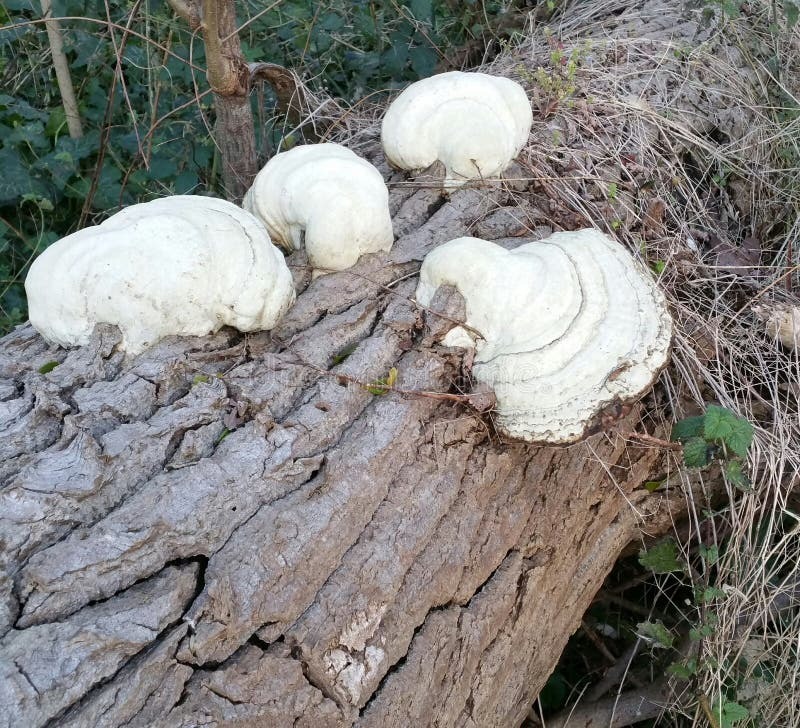
White tree fungus shows clear warning signs on your tree’s leaves and bark. Spotting these symptoms early saves your trees from serious damage.
Powdery Substance
Powdery fungal coating appears as white or grayish patches on leaves. The coating looks like someone dusted flour across the foliage. This crusty fungal patches layer blocks sunlight from reaching leaf cells. Your tree cannot make food properly when this happens.
Cobweb-Like Formations
Mycelium growth sometimes creates delicate, web-like structures on leaves. These fluffy fungal coatings look like fine spider webs stretched across branches. Heavy fungal spores dispersal causes this thick, felt-like layer to form. The fungus spreads rapidly when conditions favor growth.
Leaf Discoloration and Distortion
Yellowing leaves and browning edges signal active fungal infection. Fungal leaf spots appear as circular or irregular patches. Leaves curl inward and become deformed as the fungus interferes with growth. Leaf wilting happens when the infection blocks water movement through stems.
Other Symptoms
Premature leaf drop occurs when trees cannot handle fungal stress. Young growth appears stunted and weak. Tree health decline accelerates without quick action. Branches may die back completely in severe cases.
Fruiting Bodies
Fungal fruiting bodies and mushroom-like growths on trunks indicate deeper problems. Fungal conks signal heart rot or tree trunk decay inside the wood. Spongy bark texture and soft, stringy wood mean internal damage has started. These signs require immediate professional attention.
Environmental Causes and Fungal Growth Conditions
Fungal pathogens thrive when environmental conditions support their spread. Understanding these causes helps you prevent infections.
Moisture and Humidity Effects
Humidity and moisture effects create perfect conditions for fungal disease spread. Utah’s irrigation systems combined with cool nights trap moisture on leaves. Fungal spores germinate quickly in wet environments. Poor air circulation around trees worsens the problem significantly.
Poor Soil Drainage
Wet soil weakens tree roots and reduces their disease resistance. Root decay starts when soil stays soggy too long. Stressed trees cannot fight off fungal pathogens effectively. Improving drainage protects your trees from multiple fungal threats.
Common Utah Fungal Species
South Salt experiences powdery mildew most frequently on ornamental trees. White rot fungus affects older, stressed trees in our region. Wood discoloration and yellow or white wood rot indicate aggressive species. Local arborists recognize these fungal disease symptoms immediately.
Prevention Strategies for Tree Fungal Diseases
Preventing fungal infections costs far less than treating advanced decay. Smart prevention protects your South Salt trees year-round.
Improve Air Circulation
Prune branches to increase airflow through the canopy. Remove crossing branches and dense interior growth. Better air circulation reduces moisture pockets where fungal spores settle. Spacing trees properly prevents fungal growth stages from advancing.
Choose Resistant Varieties
Select tree species naturally resistant to local fungi. Ask our arborists which varieties thrive in South Salt. Disease-resistant trees require less treatment and stay healthier longer.
Clean Up Debris
Remove fallen leaves promptly from around your trees. Rake up infected branches and discard them properly. Never compost diseased material. This prevents fungal spores dispersal to healthy trees nearby.
Proper Watering and Care
Water trees at soil level, never on foliage. Water early morning to allow quick drying. Balanced fertilization supports tree immunity without promoting soft growth. Avoid high-nitrogen fertilizers that encourage fungal attacks.
Use Preventative Fungicides
Apply fungicide treatment in early spring before new growth emerges. Timing matters most for effectiveness. Professional application ensures proper coverage and safety.
Address Wounds
Avoid creating tree wounds whenever possible. Seal large cuts to prevent fungal entry. Proper pruning techniques minimize wound size and healing time.
Management and Treatment Options
Active fungal infections require immediate action to prevent spread. Professional management stops disease progression effectively.
Prune and Remove Infected Parts
Remove infected branches at least six inches below visible damage. Disinfect tools between cuts to prevent spreading spores. Dispose of infected material by burning or sealed disposal.
Consult an Arborist
Professional arborists diagnose fungal tissue invasion accurately. They identify tree structural damage and recommend treatment plans. Certified professionals understand environmental conditions for fungi in South Salt specifically.
Burn Infected Stumps
Burning prevents fungal pathogens from spreading to nearby healthy trees. This stops fungal disease management problems before they expand.
Conclusion
White tree fungus threatens South Salt trees through multiple infection pathways. Early identification and prevention save your trees from serious damage. Understanding fungal disease symptoms helps you act quickly when problems appear.
We are your trusted tree removal company and certified arborist team. Diamond Tree Experts has protected South Salt trees for years. Our professionals handle everything from early fungal detection to complete tree removal.
Contact us today for a free tree inspection. We’ll identify any fungal pathogens affecting your property. Let Diamond Tree Experts keep your South Salt trees healthy and strong.

