
Proper tree health maintenance requires regular pruning, seasonal care, and attention to watering needs in South Salt Lake. Trees need consistent care to stay strong and beautiful. Neglected trees become safety hazards and lose their value to your property.
Our certified arborists understand the unique challenges of tree care in Utah’s climate. We use proven techniques that protect your trees while enhancing their natural beauty and strength.
This guide will show you essential tree care practices and when to call professionals for help. You’ll learn how to keep your trees healthy year-round.
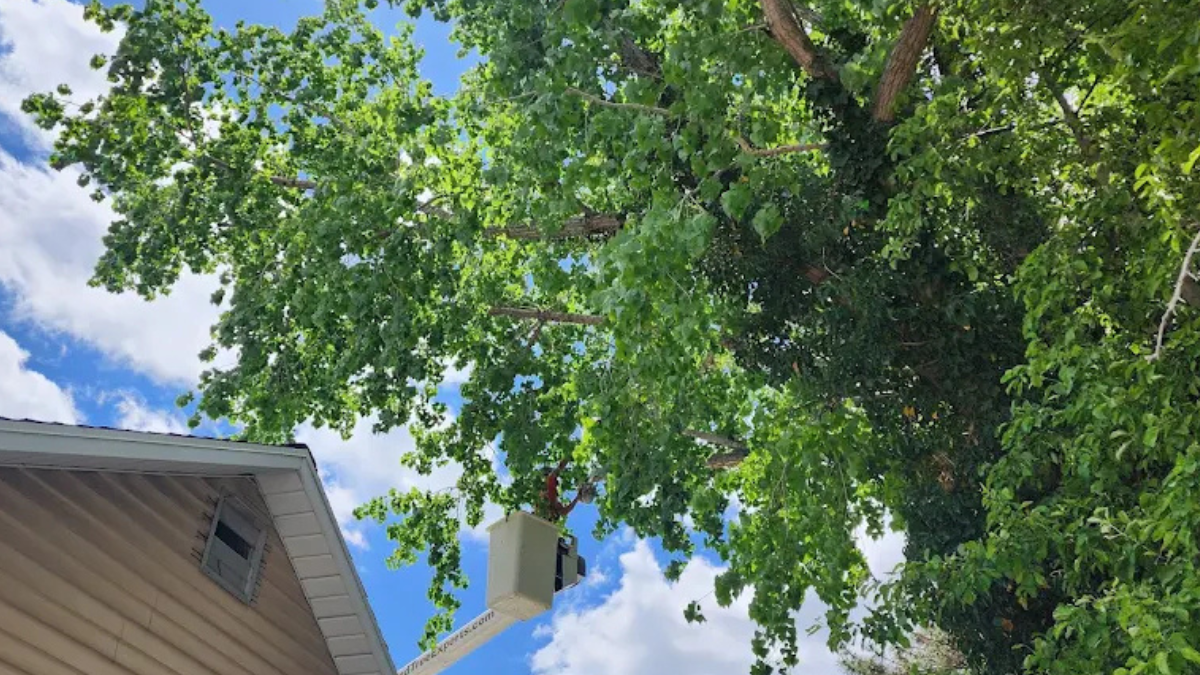
Pruning for Tree Health
Why Prune
Tree pruning improves health, safety, structure, and appearance of trees. Regular trimming removes potential hazards. Trees with proper airflow resist disease better. Pruning shapes growth patterns for stronger structures. Your property looks more attractive with well-maintained trees.
What to Prune
Focus pruning on removing the 5 D’s: dead, diseased, damaged, dying, and deranged branches. These branches drain energy from healthy parts. The 3 C’s of pruning target crossing, competing, and crowded limbs. This approach prevents future problems. Selective cuts promote balanced growth throughout the tree.
When to Prune
The best time to trim trees is during dormancy in February or March. Trees heal faster when not actively growing. Winter dormant pruning causes less stress. Spring flowering trees need pruning after blooms fade. Summer pruning should be minimal. Fall cuts heal slowly and invite disease.
How to Prune
Use the three-cut method for large branches to prevent bark tearing. First cut underneath, then cut above, finally remove the stub. This technique protects the trunk from damage. Proper cuts help trees heal naturally. Clean edges minimize infection risks.
Clean Tools
Use sharp, clean tools to prevent disease spread between trees. Disinfect equipment between cuts on diseased branches. Alcohol or bleach solutions work well. Sharp tools make cleaner cuts. Quality equipment makes the job easier and safer.
Three-Cut Method
The three-cut method prevents bark tearing when removing large limbs. Make your first cut underneath the branch. The second cut removes most of the weight. Your final cut preserves the branch collar. This method protects the tree’s natural healing process.
Avoid “Topping”
Never top trees as it weakens structure and causes hazardous regrowth. Topping creates unstable new branches. The practice starves trees of needed foliage. Recovery from topping takes years. Better alternatives include selective thinning and proper reduction cuts.
Know the Branch Collar
Cut just outside the branch collar to support proper healing. The collar contains special cells for wound closure. Cutting too close damages this healing zone. Proper cuts form protective callus tissue. The tree seals wounds naturally when cut correctly.
Seasonal Tree Care Calendar for the Wasatch Front
Spring inspection reveals winter damage and growth needs. Check for broken branches and pest issues. Apply mulch after soil warms. Light pruning shapes new growth. Early detection prevents major problems later.
Summer care focuses on adequate watering during hot months. Trees need deep, infrequent watering. Monitor for signs of stress or pests. Remove damaged limbs promptly. Avoid heavy pruning during active growth periods.
Fall maintenance prepares trees for winter conditions. This is ideal for structural pruning. Remove hazardous branches before snow loads. Apply mulch to insulate roots. Reduce watering as temperatures drop.
Other Essential Tree Care Practices
Watering
Deep, infrequent watering encourages strong root development. Young trees need regular moisture. Established trees require less frequent watering. Water the entire root zone, not just near the trunk. Morning watering reduces evaporation loss.
Mulching
Apply mulch around the base but keep it away from the trunk. Mulch conserves moisture and regulates soil temperature. The tree mulching benefits include weed suppression. Use organic materials like wood chips. Create a ring 2-4 inches deep extending to the drip line.
Pest and Disease Control
Regular inspection helps catch problems early. Look for unusual leaf spots or discoloration. Check bark for boring insects. Disease prevention tree care starts with maintaining tree vigor. Healthy trees resist pests better than stressed ones.
Conclusion
Proper tree care requires knowledge, timing, and the right techniques. Regular maintenance prevents costly problems and keeps your landscape beautiful. Trees add significant value to your property when properly maintained.
Diamond Tree Experts provides professional tree services throughout South Salt Lake. We understand local tree species and their unique needs. Our certified arborists deliver expert care for all your trees.
Contact Diamond Tree Experts today for a free tree health assessment. We’ll help you develop a maintenance plan that keeps your trees thriving year-round. Your trees deserve the best care possible.

