
Introduction
Sun exposure directly affects how healthy your trees grow in South Salt Lake City. Trees need sunlight to make food and stay strong. Without proper sunlight exposure, your trees may struggle, weaken, or even die.
Your trees face real challenges in Utah’s intense climate. Photosynthesis, the process trees use to convert sunlight into energy, depends on getting the right amount of light. Too much sun causes sunburn and sunscald. Too little sun creates weak, sparse trees. Understanding this balance matters for your yard’s beauty and your property’s value.
This guide shows you exactly how sun exposure impacts tree health. You’ll learn what your trees need to thrive in Salt Lake City’s unique environment.
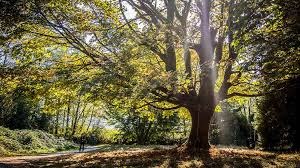
Factors to Consider in the Relationship Between Sun Exposure and Tree Health
Sun exposure determines whether your trees survive and flourish in South Salt Lake. Different trees need different amounts of light. Some trees love full sun. Others prefer shade.
Photosynthesis
Photosynthesis is how trees turn sunlight into energy for growth. Trees need at least six hours of direct sunlight daily. This process creates chlorophyll production, which makes leaves green and strong. Without enough light, trees cannot produce the energy they need. Reduced vigor follows quickly.
Growth and Development
Sunlight controls how fast trees grow and develop. Trees exposed to proper light develop thick trunks and strong branches. Growth rate increases with adequate solar radiation. Young trees especially need careful light management. Too much sudden sun causes pruning shock and bark injury.
Flowering and Fruiting
Sunlight triggers flowering and fruit production in trees. Trees need sufficient light to bloom and produce fruit. Shaded trees rarely flower. This affects your landscape’s beauty and wildlife habitat.
Foliage Density
Dense, healthy foliage requires consistent, appropriate sunlight. Trees with proper canopy density look fuller and more attractive. Weak light creates sparse, thin canopies. Canopy layering helps trees adapt to different light conditions.
Risks of Incorrect Sun Exposure for Trees
Too much or too little sun damages trees in South Salt Lake City. Understanding these risks protects your investment.
Sunburn
Sunburn occurs when bark suddenly faces intense, direct sunlight. This happens after pruning or nearby tree removal. Sunburned leaves turn brown and crispy. Bark develops dark patches. Young trees suffer most from this damage.
Sunscald
Sunscald is a winter problem unique to Utah’s climate. Daytime sun warms the bark. Nighttime freezing kills the activated cells underneath. Bark injury concentrates on the south and southwest sides. Thin-barked trees like aspen and birch face high risk.
Stunted Growth
Stunted growth results from insufficient sunlight exposure. Trees deprived of light develop weak structures. Branches become thin and brittle. Reduced vigor makes trees vulnerable to disease and pests.
Marginal Leaf Scorch
Leaf scorch appears as brown edges on otherwise healthy leaves. Reflective heat from walls, glass, and concrete intensifies damage. Heat stress and drought stress combine to create this problem. UV radiation damage worsens during Utah’s intense summer months.
Tips for Managing Tree Sun Exposure
Choose the Right Tree for the Location
Select tree species suited to your site’s sunlight conditions. Full sun areas need oak, maple, or pine trees. Shaded spots need shade-tolerant species. This prevents future problems.
Protect Young Trees
Young trees need gradual sunlight exposure. Sudden sun exposure causes pruning shock and bark thickening problems. Use temporary shade cloth during establishment. This protects developing root system health.
Be Cautious with Pruning
Careful pruning prevents sudden overexposure of inner bark. Remove only necessary branches. Avoid heavy pruning in spring. Gradual pruning prevents sunburn and stress.
Provide Shade Structures
Shade structures protect vulnerable trees from intense sun. Use shade cloth, tree guards, or nearby larger trees. This reduces heat stress and transpiration cooling needs.
Mulch the Base
Mulching protects roots and moderates soil temperature. Apply 2-4 inches of mulch around the base. This maintains soil moisture management and reduces water retention stress.
How Sun Exposure Affects Tree Health in Salt Lake City’s Climate
Salt Lake City receives 65-75% of possible sunshine spring through fall. Winter brings only 50% sunshine. Solar radiation peaks during summer months, creating intense UV radiation damage risk. Utah’s seasonal UV intensity ranks among America’s highest. This demands careful tree species sunlight adaptation strategies.
How Much Does Sun Exposure Really Matter for Tree Health
Sun exposure matters tremendously for tree survival and growth. It’s not optional—it’s essential. Proper light prevents disease, strengthens structure, and extends tree life significantly.
Conclusion
Sun exposure directly determines whether your South Salt Lake trees thrive or struggle. Getting the balance right prevents costly problems. Proper sunlight exposure creates strong, beautiful trees that last decades.
We understand South Salt Lake’s unique climate challenges. Our team knows which trees succeed in your neighborhood. We help you choose, plant, and protect trees for maximum health and beauty.
We are Diamond Tree Experts, your trusted tree care professionals in South Salt Lake. Contact us today for a free consultation. Let us help your trees reach their full potential.

