
Introduction
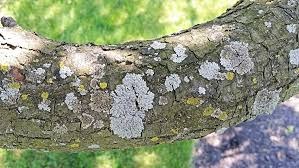
Lichen on trees is not harmful to your trees. Many South Salt homeowners worry when they see crusty, colorful growth on their tree bark. This concern makes sense because the growth looks unusual and unfamiliar.
Lichen grows on trees everywhere in South Salt. Understanding what lichen really does helps you stop worrying. Your trees can stay healthy even with lichen covering their bark.
Learning the truth about lichen saves you time and money. This post explains what lichen actually is and why it matters to your trees.
Why Lichen Is Not Harmful to Trees
Lichen is a non-parasitic organism that does not harm trees. Think of lichen like a hitchhiker on your tree. The lichen uses bark as a surface only. It takes nothing from your tree.
Symbiotic Relationship
Lichen is a symbiotic organism made of fungus and algae working together. The algae create food through photosynthesis. The fungus provides structure and protection. Neither part needs anything from your tree. This partnership makes lichen completely self-sustaining.
Non-Parasitic Nature
Lichen does not enter your tree’s vascular system. It has no root penetration into the wood. Lichen cannot steal nutrients or water from trees. The bark attachment stays on the surface only. Your tree stays completely safe and healthy.
Growth Preference
Lichen grows best on slow-growing trees. Old trees often show heavy lichen coverage. This growth happens because these trees have stable bark. The lichen simply prefers this type of surface.
What Lichen Growth Can Signal
Heavy lichen coverage sometimes means something else matters. The lichen itself causes no damage. But the conditions that help lichen grow might signal tree stress.
Underlying Stress
Lichens commonly appear on declining trees or slow-growing trees. When trees grow slowly, their bark stays stable longer. Lichen loves stable surfaces. Heavy growth might suggest your tree faces challenges. Look for other signs like poor leaf color or weak branches.
Environmental Conditions
Lichen thrives in clean air environments and indicates good air quality. The presence of lichens shows your South Salt neighborhood has low pollution. Many lichens signify excellent environmental health. This is actually good news for your community.
Hinders Photosynthesis
Excessive lichen coverage can occasionally block sunlight. When lichen completely covers bark, it may reduce light reaching the tree. This rarely causes serious problems for most trees. Healthy trees handle this minor issue easily.
What to Do If You’re Concerned About Lichen
Don’t Blame the Lichen
Removing lichen will not fix tree health problems. Scraping off lichen wastes your time and money. The lichen is not causing your tree’s decline. Removing it changes nothing about your tree’s actual health.
Focus on Tree Health
Improve overall tree health through proper watering and nutrients. Water your trees deeply during dry months. Add mulch around the base to retain moisture. Prune dead branches to encourage new growth. These actions actually help your tree recover.
Consult a Professional
Contact a certified arborist if your tree looks stressed. Professional arborists assess what really affects your tree. They identify actual problems beyond the lichen. South Salt arborists can recommend specific care steps.
Are Lichens on Trees Harmful in Salt Lake City, UT?
Lichen poses no threat to trees in South Salt. Our clean air actually encourages lichen growth. This means your neighborhood has excellent environmental health. Lichen here is simply a sign of good conditions.
Why Does Lichen Grow on Trees?
Lichen grows when clean air, moisture, and slow bark growth combine. Rain provides water that lichen needs. Clean air allows lichen spores to thrive. Slow-growing trees offer stable surfaces for attachment.
Does Lichen Have Any Benefits for Trees?
Lichens benefit the ecosystem and support biodiversity around trees. Wildlife like birds and insects use lichen for food. Lichen improves air quality in your neighborhood. These organisms contribute to healthy nutrient cycles.
Should Lichen Be Removed From a Tree?
Lichen should remain on trees because removal does not improve health. Removal risks damaging bark underneath. Scraping can injure the protective bark layer. Natural removal happens when tree vigor increases over time.
When Lichen Is Not the Problem
Lichen is not the cause of tree death or serious decline. Focus on actual tree health issues instead. Look for dieback, leaf discoloration, or cracking bark. These signs show real problems needing attention.
Conclusion
Lichen on your South Salt trees is completely harmless. The symbiotic organism simply uses your bark as a surface. It takes nothing from your tree and causes no damage. Heavy growth might signal that your tree needs better care overall.
Your tree’s real health depends on proper watering, nutrients, and pruning. Focus on these actions instead of removing lichen. Improving tree vigor naturally reduces lichen over time. Professional assessment helps identify what your tree actually needs.
We are the trusted tree removal company and arborist experts in South Salt. Diamond Tree Experts can assess your tree’s true health needs. Contact us today for a professional evaluation of your trees.

