
Trees can be saved from dying through proper identification of problems, targeted treatments, and consistent care. Your beloved backyard maple or front yard pine might show worrying signs like yellow leaves or bare branches. These symptoms signal distress that requires quick action in South Salt Lake’s unique climate.
Our certified arborists have rescued countless trees throughout Utah using proven recovery methods. We understand the specific challenges trees face in our high-desert environment with alkaline soils and extreme temperature swings.
This guide will show you how to identify tree problems, apply effective treatments, and provide ongoing care to save your dying tree before it’s too late.
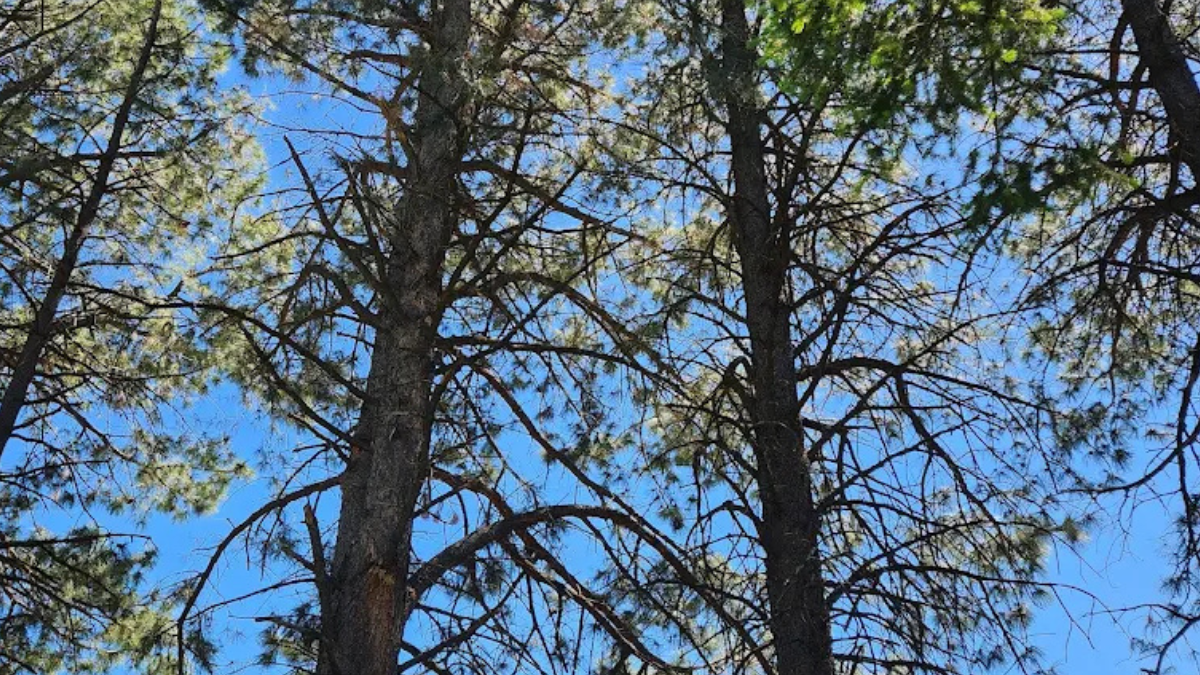
Identify the Problem Before Saving a Dying Tree
The first step to saving a dying tree is finding what’s causing its decline. Trees show specific symptoms based on what’s harming them. Different problems need different solutions.
Many trees in Salt Lake City suffer from multiple issues at once. Water stress, pest damage, and soil problems often work together to harm trees. Early detection gives your tree the best chance of recovery.
Your tree might be struggling due to our region’s unique challenges. High elevation, alkaline soils, and dry conditions create special problems for trees in our area.
Inspect for Pests and Diseases
Pests and diseases cause visible damage to trees through holes, discoloration, and unusual growth patterns. Look closely at leaves, branches, and bark for signs of trouble. Tree pest infestations often leave small holes, sawdust, or sticky substances on the trunk.
Check for tree leaf discoloration like spots, yellowing, or browning. These symptoms might indicate fungal or bacterial infections. Tree rot and fungus appear as mushroom-like growths on the trunk or branches.
The bark falling off tree trunks signals serious problems. This condition, called sloughing, happens when insects, disease, or environmental stress damages the tree.
Check for Root Damage
Root damage shows through wilting leaves, stunted growth, and leaning trunks. Exposed tree roots become vulnerable to lawn mower damage and drying out. Construction work near trees often cuts critical roots.
Root rot symptoms include soft, dark roots that smell bad when examined. Healthy roots should be firm and light-colored inside. Poor drainage makes root rot more likely.
Soil compaction prevents water and oxygen from reaching roots. This common problem happens in high-traffic areas or after construction work.
Perform a Scratch Test
A scratch test reveals if your tree still has living tissue under its bark. Use your fingernail or a small knife to gently scratch a small area of bark. Green tissue underneath means the branch is alive.
Test several branches throughout the tree. Sometimes only parts of a tree die while others remain healthy. Cracked or split trunk areas should always be tested.
This simple test helps determine if your tree can be saved. Dead branches show brown or dry tissue under the bark.
Assess Watering
Improper watering causes many tree deaths in Salt Lake City through either drought stress or root suffocation. Check soil moisture by digging 4-6 inches deep near the tree’s drip line. The soil should feel like a wrung-out sponge.
Tree watering techniques should focus on deep, infrequent watering. Light, frequent watering creates shallow roots that can’t survive drought. Newly planted trees need more frequent watering than established ones.
Our dry climate requires special attention to watering schedules. Most trees need extra water during hot summer months and before winter freezes.
Test Before You Treat a Dying Tree
Testing identifies the exact problems affecting your tree. Guessing at treatments wastes time and money. Proper testing leads to targeted solutions.
Professional testing provides clear answers about soil conditions and disease identification. This information helps create an effective treatment plan for your specific tree.
The right diagnosis prevents harmful treatments that could further stress your tree. Many tree problems look similar but require different approaches.
Soil Testing for pH, Salts, and Nutrients
Soil tests reveal pH levels, nutrient deficiencies, and salt buildup that harm tree health. Utah soils typically have high pH levels above 7.5, which blocks iron uptake. This causes tree nutrient deficiency symptoms like yellow leaves with green veins.
Salt accumulation from winter road treatments damages roots and prevents water absorption. Soil tests measure salt levels and guide flushing treatments. Soil compaction remediation might be needed if tests show poor drainage.
Testing helps determine if tree fertilization methods would help or harm your tree. Not all struggling trees need fertilizer.
Lab Diagnosis for Pests and Diseases
Laboratory testing identifies specific pests and diseases affecting your tree. Samples of affected leaves, bark, or roots help experts make accurate diagnoses. Different tree disease treatment methods work for different pathogens.
Professional diagnosis prevents misidentification of problems. Many insects and diseases look similar to untrained eyes. Tree pest control methods vary based on the specific pest involved.
Lab results guide treatment timing and methods. Some treatments only work at certain times of year or growth stages.
Conclusion
Saving a dying tree requires identifying the specific problem, testing before treatment, and providing consistent care. The right approach depends on your tree’s species, location, and specific issues in South Salt Lake’s unique climate.
Diamond Tree Experts brings specialized knowledge of Utah’s tree challenges to every property we visit. We understand the local soil conditions, pest pressures, and climate factors that affect tree health in our region.
We invite you to contact our certified arborists for a professional tree health assessment. Diamond Tree Experts will develop a customized recovery plan to save your valuable trees before it’s too late.

