
Introduction
Your evergreen trees are turning brown due to drought stress, winter desiccation, pest infestations, or disease. This problem happens when South Salt Lake homeowners don’t catch browning early. Brown needles mean your tree is struggling and needs help fast.
We understand how frustrating this looks. Your beautiful evergreens suddenly lose their green color. You wonder if your tree will survive or if you need to remove it completely.
Our team knows exactly how to save your browning evergreens. Keep reading to learn the three simple steps that bring trees back to life.
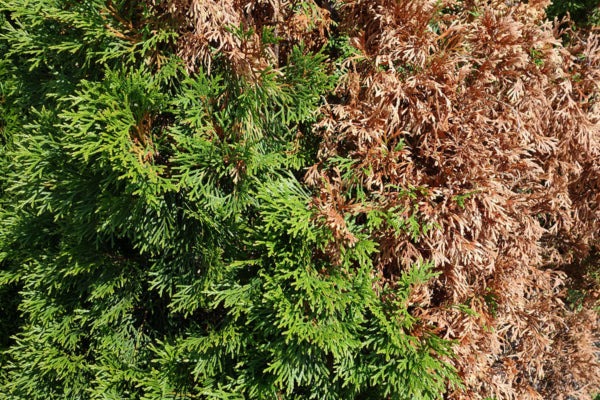
Step 1: Diagnose Why Evergreen Trees Are Turning Brown
Finding the real cause stops browning before it spreads. Your tree shows you what’s wrong if you know where to look. Different problems need different fixes.
Assess Watering
Underwatering and overwatering both cause brown needles. Dry soil means roots can’t deliver water to branches. Wet soil causes root rot and kills roots underground.
Check your soil by pushing a finger two inches deep. Dry soil feels like powder. Soggy soil feels like a wet sponge. Either extreme stresses your tree badly.
Inspect for Disease
Fungal diseases like needle cast disease and rust fungus create brown spots. Look at needles closely for dark spots or discoloration. Check branches for stem cankers or oozing sap.
Cytospora canker shows sunken areas with resin leakage. These signs mean disease is active inside your tree.
Look for Winter Damage
Winter desiccation and sunscald cause browning on wind-exposed sides. Cold, sunny, windy weather dries needles while roots stay frozen. The southwest side of your tree shows damage first.
Brown tips that spread from outside inward signal winter injury. This happens when frozen soil prevents roots from supplying moisture.
Examine Competition
Soil compaction and competing plants steal water and nutrients. Ivy or dense shrubs nearby compete for moisture. Compacted soil blocks water from reaching roots.
Remove competing plants around your evergreen’s base. Loosen soil gently to improve drainage and root access.
Step 2: Apply the Right Fix for Evergreen Trees Turning Brown
Deep watering, mulching, and pruning restore health to browning evergreens. Each fix targets a specific problem your tree faces.
Watering
Deep watering once or twice weekly during dry periods stabilizes moisture. Water slowly so it reaches the root zone. Don’t water the trunk—water the soil around it.
Late-fall watering strengthens evergreens before winter arrives. This reduces frost injury and cold-damage stress significantly.
Mulching
Proper mulching with 2–3 inches of organic material regulates soil temperature. Mulch retains moisture and keeps roots cooler in summer. Spread mulch in a circle around your tree’s base.
Keep mulch two inches away from the trunk. Too much mulch touching bark causes rot and disease.
Pruning
Careful branch pruning removes dead wood and prevents disease spread. Cut out brown branches completely. Make cuts just outside the branch collar where branches meet the trunk.
Pruning encourages new healthy growth to replace damaged tissue.
Pest and Disease Control
Scale insects and spider mites feed on needles and cause stippling. Spruce spider mites are common in Utah and create yellowing and browning. Tap needles on white paper to see tiny moving dots.
Targeted insecticides or beneficial predators control pest infestations. Fungicide treatment manages fungal infections after proper diagnosis. Spring and fall are key treatment periods for mites.
Winter Protection
Burlap wrapping and windbreaks reduce winter burn on exposed evergreens. Wrap the southwest side facing wind and sun. Remove wrapping in spring when temperatures warm.
Light and Competition
Removing ivy and competing plants improves sunlight availability. More light means stronger needles and better health. Clear the area around your tree’s base.
Fertilizing
Slow-release fertilizer applied in early spring corrects nutrient deficiency. Test your soil first to confirm what nutrients are missing. Chlorosis and soil pH imbalance respond well to targeted fertilization.
Step 3: When to Call a Professional for Evergreen Browning
Severe browning covering most of the tree requires expert arborist assessment. Professionals diagnose problems homeowners miss. They treat advanced pests, diseases, and structural issues.
Professional diagnosis provides accurate answers for unexplained browning. Arborists use specialized tools and knowledge. They save trees that might otherwise die.
Why Evergreen Trees Are Turning Brown in Salt Lake City, UT
Salt Lake City’s urban forest faces unique challenges. Salt damage from de-icing salts harms evergreens near roads and driveways. Environmental stress from construction and drought affects thousands of trees.
Spruce spider mites thrive in Utah’s cool spring and fall weather. Winter desiccation happens when frozen soil blocks water delivery during harsh winters.
How to Prevent Evergreen Browning in South Salt Lake for Future Seasons
Right plant right place prevents most browning problems. Choose evergreens suited to Utah’s climate and your yard’s conditions. Avoid planting mistakes like poor site location.
Water deeply during dry spells. Mulch properly. Prune dead branches yearly. These simple steps keep evergreens healthy and green.
Conclusion
Browning evergreens recover when you identify and fix the underlying problem. Whether your tree faces drought stress, pest infestation, or winter injury, solutions exist. Early action saves trees and money.
We are the trusted tree removal and care company in South Salt Lake. Our team diagnoses browning accurately and applies proven fixes. We’ve helped hundreds of homeowners restore their evergreens to vibrant health.
Contact Diamond Tree Experts today for a free assessment. We’ll examine your browning evergreens and create a custom recovery plan. Let us help your trees thrive again.

